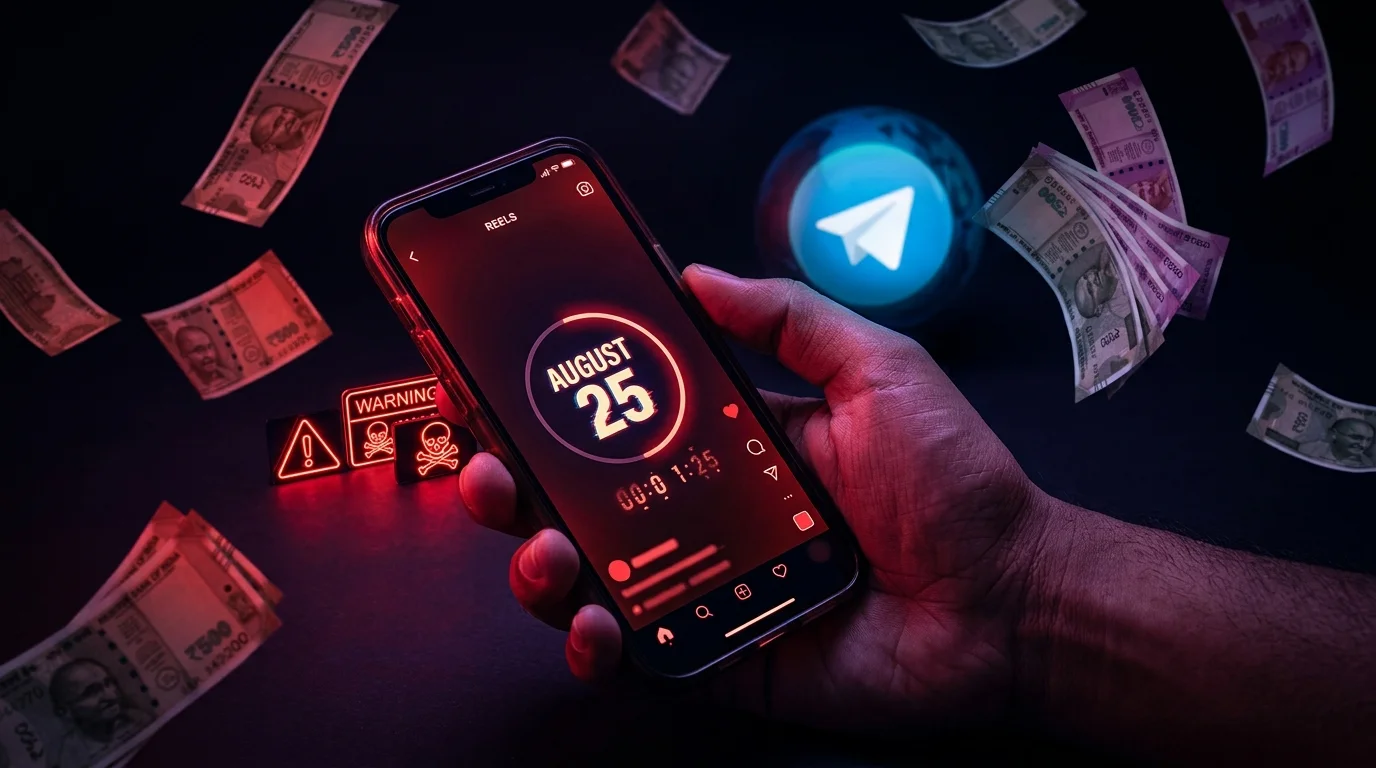
It was 11:30 PM on August 25th. Your phone buzzes with a notification from 3 different WhatsApp groups.
For weeks, an anonymous but viral Instagram account had been teasing an explosive, internet-breaking revelation. The hype was deafening. But when the countdown finally hit zero, there was no massive secret uncovered. Instead, there was a paywall, a Telegram link, and what would soon be recognized as one of the most brilliant, psychological heists of 2026.
Welcome to the August 25 Instagram Scam — a masterclass in digital manipulation where over 1.66 lakh Indians paid for thin air.
We are used to typical cybercrime: fake banking links, phishing emails, and compromised passwords. But the August 25 scam was different. It didn't steal people's money by force or technical wizardry. Instead, it used the oldest trick in the book: human curiosity. Scammers weaponized the modern internet culture of virality, leaving hundreds of thousands of people feeling foolish and significantly poorer.
What Was the August 25 Instagram Scam?
The entire operation was orchestrated around a completely anonymous Instagram page that appeared seemingly out of nowhere in early August. The page began posting highly stylized, cryptic reels featuring countdowns, hidden messages, and blurred footage. The narrative was simple but incredibly effective: "On August 25, we will reveal a secret so massive, the internet will try to silence us."
To avoid "censorship," the page informed its rapidly growing follower base that the reveal would be deleted from Instagram within minutes. To see the uncensored truth, followers were urged to join an exclusive, private Telegram channel.
How the Scam Actually Worked
The brilliance of this scam lay in its structured funnel, moving users from a public platform to a private payment gateway without raising alarms.
Step-by-Step Scam Breakdown
Here is exactly how the scammers orchestrated the ₹8 crore heist:
- Phase 1: Hype Building. For three weeks, the account posted cryptic, suspenseful reels. Bots were used to flood the comments, creating artificial engagement and making the secret seem incredibly important.
- Phase 2: Platform Migration. Claiming Instagram would ban them, the creators pushed their audience to Telegram. This moved victims away from a moderated environment to an unmoderated, encrypted one.
- Phase 3: The Paywall. Once the countdown hit zero, the Telegram channel locked down. To unlock the 'big reveal' video, users had to pay a seemingly small fee of ₹500 via Telegram Stars.
- Phase 4: The 'Reveal'. Those who paid didn't get a massive secret. They received a generic, poorly scripted, completely AI-generated motivational video about "unlocking your potential." The scammers vanished with the cash instantly.
The Psychology Behind It — Why 1.66 Lakh People Fell For It
You might be asking: "How could so many people fall for something so obvious?" The answer lies in masterful psychological manipulation.
First, there was massive FOMO (Fear Of Missing Out). When everyone in your social circle is talking about an impending reveal, human nature forces you to want to be part of the inside joke. Second, the social proof was overwhelming. Fake comments and a massive follower count (likely purchased) made the account look legitimate and trustworthy.
Furthermore, the urgency of a 24-hour deadline short-circuited critical thinking. Finally, the small price psychology played a crucial role. ₹500 is a calculated amount. It is low enough that people consider it a "low-risk gamble," but when multiplied by hundreds of thousands, it creates a fortune.
The Numbers — How Much Money Was Made?
When the dust settled, cybersecurity experts and payment gateway analysts began to crunch the numbers. The results were staggering.
The Shocking Math
Approximately 1,66,000 individuals fell victim to the FOMO and paid the entry fee.
1,66,000 users × ₹500 = ₹8.3 Crore
Let that sink in. A completely anonymous account pulled off an ₹8.3 Crore heist using nothing but cheap AI tools and basic human psychology. That's more than most startups raise in their seed round, and it was executed in less than a month.
How to Protect Yourself from Social Media Scams
The August 25 scam won't be the last of its kind. As AI continues to democratize content creation, these types of psychological traps will become more prevalent. Here is how you can stay safe.
Stay One Step Ahead of Scammers
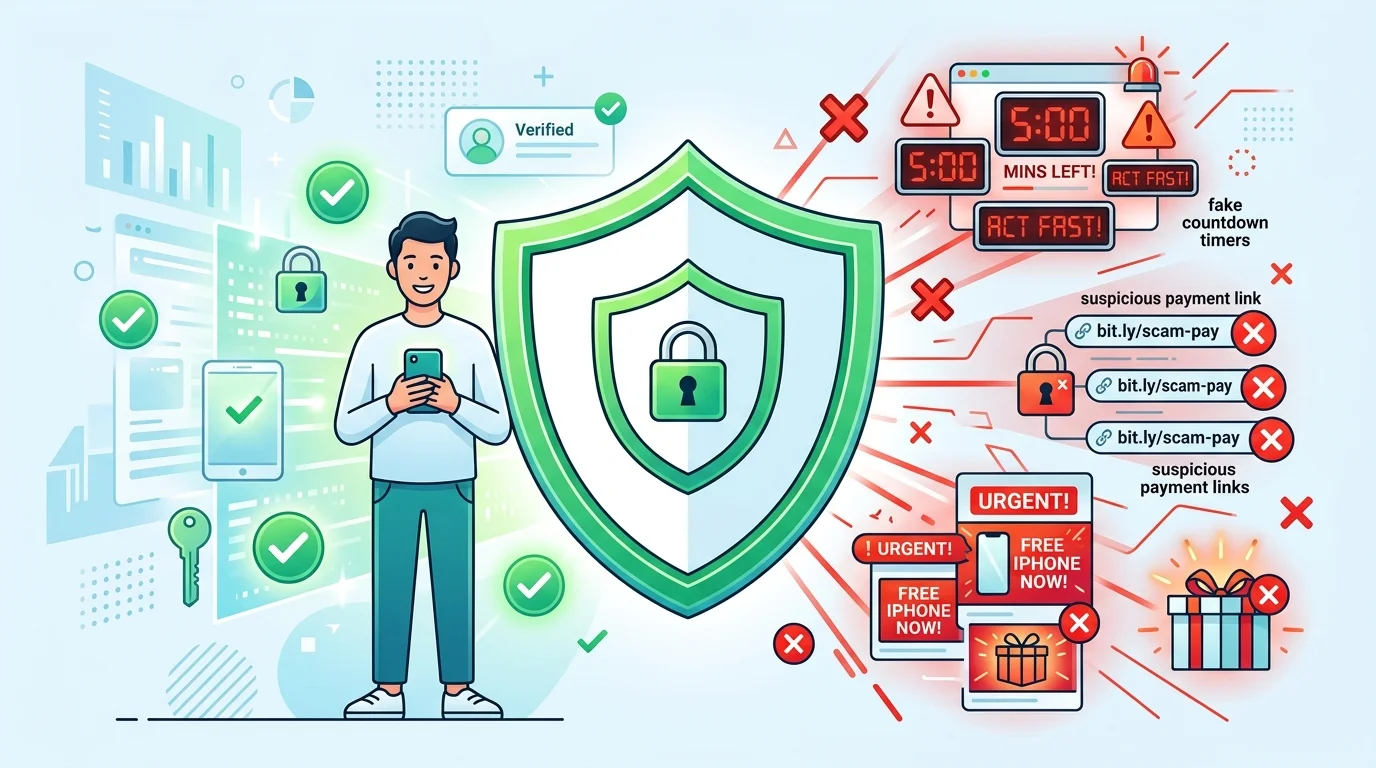
Before you tap "Pay," run through this mental checklist:
- Never pay for 'exclusive content'. Especially from entirely anonymous accounts with no real-world track record or verified identity.
- Beware the platform shift. If an influencer frantically moves you off a mainstream platform (like Instagram or YouTube) to an unmoderated space (like Telegram or WhatsApp groups) for a "safe reveal," it's a massive red flag.
- No legitimate creator charges for basic reveals. Real creators monetize through ads or sponsorships, not by holding a single video hostage behind a random paywall.
- Check account age and verification. A massive following on an account that didn't exist 30 days ago is almost always a sign of purchased bots.
- If it sounds too good to be true, it is. A random Instagram page isn't going to uncover world-shattering secrets.
What Can You Do If You Already Paid?
If you were one of the 1.66 lakh people who lost their money, the reality is that recovering a ₹500 crypto-backed Telegram payment is extremely difficult. However, you should not stay silent.
First, immediately file a complaint on the official portal at cybercrime.gov.in. Second, report the Telegram channel and the original Instagram account to get them taken down. Finally, if you paid using a credit card rather than direct crypto, you may have grounds to dispute the charge with your bank. Make sure to screenshot all interactions, payment receipts, and chat logs as evidence.
The Bigger Picture — AI-Powered Scams Are Just Getting Started
The August 25 Instagram scam is a sobering preview of the future. We are entering an era where AI-generated content is being heavily weaponized for fraud.
From highly convincing deepfakes to AI voice cloning that mimics your loved ones, scammers are deploying enterprise-level technology against everyday consumers. To verify if an image you receive is AI-generated or real, you can use our secure image analysis tools that process everything locally in your browser — no data ever leaves your device.
This incident fits perfectly into the growing pattern of next-gen digital fraud. If you haven't already, read our recent breakdowns on the 5 Dangerous AI Scams of 2026 and the infamous GTA 6 Beta Scam to see how scammers are adapting.
The ₹500 wasn't the real cost. The real cost was teaching scammers that this model works — and they will do it again, bigger and better.
People Also Ask (FAQs)
What was the August 25 Instagram scam?
The August 25 Instagram scam was a massive fraud operation in 2026 where an anonymous Instagram account built hype around a mysterious 'big reveal'. It redirected 1.66 lakh people to a Telegram channel where they each paid ₹500 to unlock what turned out to be a generic AI-generated motivational video.
How much money did the scammer make?
The scammers successfully collected ₹500 from roughly 1.66 lakh people, amassing an estimated total of over ₹8.3 Crore in a matter of days.
Can I get my ₹500 refund from Telegram?
It is highly unlikely. Payments made via Telegram Stars or direct crypto transfers are extremely difficult to reverse. However, you should still report the transaction to your bank and file a dispute if it was made via credit card.
Is paying via Telegram Stars safe?
While Telegram Stars as a platform feature is secure, what you are paying for is not guaranteed. Scammers frequently use it because it creates a frictionless payment process that users trust, right inside the app.
How do I report an Instagram scam in India?
You should immediately report the account on the Instagram app. More importantly, file a formal complaint on the official Indian cybercrime portal at cybercrime.gov.in.
What is FOMO and how do scammers use it?
FOMO stands for Fear Of Missing Out. Scammers use it by creating countdown timers, claiming 'exclusive' or 'limited-time' access, and manufacturing social proof to pressure victims into paying quickly before they have time to think critically.
Was the August 25 video actually AI-generated?
Yes, cybersecurity analysts confirmed that the highly-anticipated 'reveal' video was entirely generated using advanced AI video tools, featuring a generic script and non-existent personas.
How can I tell if an Instagram account is a scam?
Look out for red flags: brand new accounts with massive follower counts (often botted), no verified badge, comments disabled, and a constant push to move you to external, unmoderated platforms like Telegram.